Water heaters are the unsung heroes of your home—they keep life running smoothly until the day they don’t. And when they start to fail, they give subtle hints before the big breakdown hits. Spotting these signs early can save you from cold showers, costly repairs, and home damage.
Don’t wait until it’s too late. Here are seven unmistakable signs that your water heater needs replacing, so you can stay ahead, stay comfortable, and avoid any unpleasant surprises.
Getting Older, It’s Not a Number It’s a Warning
Here is a funny fact which may not be very funny to your wallet because the average life provided by a traditional tank water heater is approximately between 8-12 years. When your unit is nearing its 10th birthday, then you are on borrowed time. It is the same as driving your car with 200,000 miles – it may continue running, but would you gamble your morning shower on it?
The issue of age is due to the fact that internal components decay with age. The anode rod that shields your tank against corrosion is eroded away. The sediment accumulates at the bottom and your system works harder and inefficiently. Imagine it is the clogging of arteries – sooner or later there must be a release of some sort.
Get this on your own: Read the sticker of the manufacturer on your water heater. The manufacture date is normally imprinted on the serial number. In case you cannot locate it or recall the time you installed it, and you have lived in your house more than ten years, you need to begin shopping.
Your Water Smells Like it Should Be in a Swamp
When we open the tap, we expect crystal clear water. However, when your hot water is leaking rusty, or muddy or it is a weird color, your water heater is throwing a red flag. This is a sign that the inside of the tank is corroding internally, in other words, your tank is cannibalizing itself.
Now, when you are not panicking, turn on the cold water a couple of minutes. In case it is also discolored, then the problem may be with your pipes or the city tap. However, when it is just the hot water that appears to have been strained through a rusty bucket, it is the water heater that is the problem.
Not only is rusty water unattractive, it also leaves a stain on your clothing, dishes and fittings. What is more important, it is an indicator that your tank loses its structural integrity. Corrosion, once established, is a down-hill affair, which in most cases leads to a total system failure.
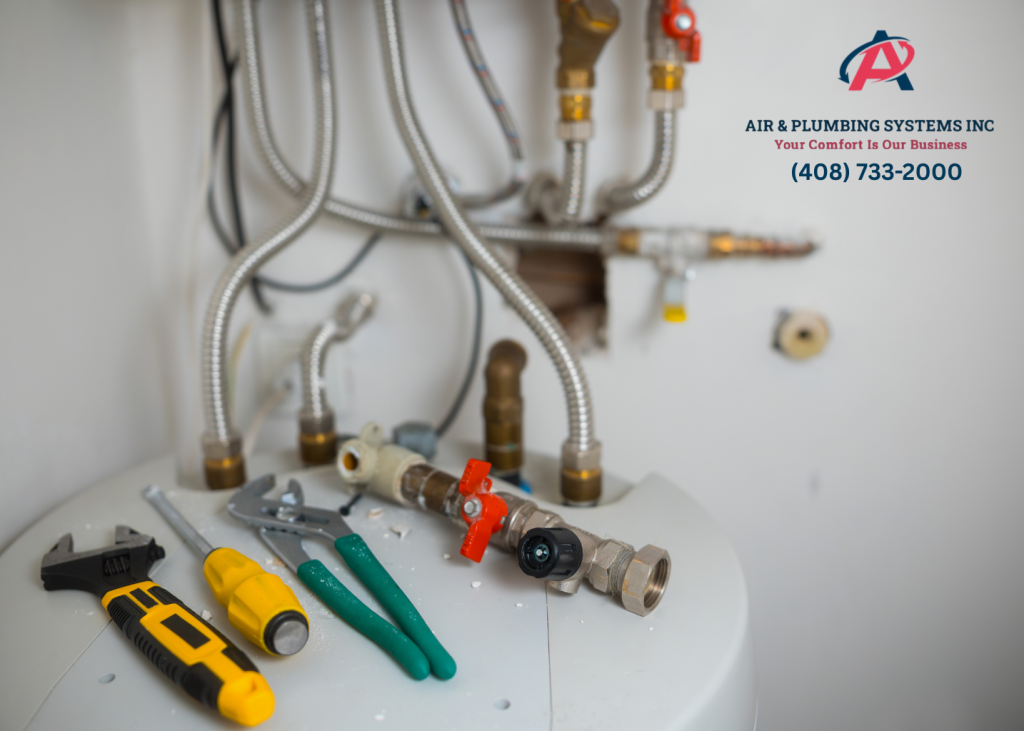
Strange Noises That Go Bump in the Night
Do you hear your water heater warming up like a percussion section? The cry of your unit is a rumbling, popping, crackling, or banging sound. These noises are normally occasioned by the accumulation of sediments at the tank bottom.
The process is as follows: when sediment gets deposited, it forms a wall between the heating component and the water. In the attempts of the element to heat the water, it must strain itself and form steam bubbles, which burst and rattle on their way up through the sediment layer. It is like attempting to prepare popcorn in a pot full of sand.
As innocent as such sounds may appear, they mean that your water heater is operating inefficiently and in a stressful manner. The additional load may cause untimely breakdown and increased power expenses. When your water heater is making noise like it has a rave, it is high time you needed to change.
The Great Mystery of Water Temperatures
Did you ever have a predictable water heater? Turn the handle, get hot water. Simple. However, recently, you may have found that your shower is alternating between scalding, to lukewarmed to a freezing world in the same session or better still, you never receive warm water at all.
Unstable water temperatures may be an indication of a defective heating element in electric models, or a defective gas burner in gas models. In other cases, it is the accumulation of sediments that disrupts the process of heat transfer. Anyway, when your water heater is not able to keep the temperatures constant, it is failing to fulfill its major purpose.
Industry statistics have it that water heaters that fail to maintain proper temperatures will usually be running at 60-70 percent efficiency. That is charging you full price but performance half-way – not quite an excellent bargain, you see?
Your Electric Fuel Bills Are out of this World
By the way, have you been finding your power bills slowly rising higher without any clear cut reason? A broken or old water heater can be an energy sucker, consuming more electricity or gas, but providing subpar service.
Water heaters become inefficient with age, as sediments accumulate in them, their parts and insulation are corroded. It requires your system to go the extra mile and duration to heat the same quantity of water, which increases your utility bills. It is like driving a car with a full air filter, all things are harder and more costly.
When your electricity invoices have gone 15-20 percent higher than your consumption, yet your use has not risen, your water heater may be the silent murderer. New energy-efficient buildings can save a lot of money in operation, as in many cases these units can be paid back in just a couple of years by saving energy.
Don’t wait for a cold shower!
Wetness and Leaks – The Unspoken Ruiners
The presence of water where it is not supposed is never good, especially around your water heater. Even minor leaks may refer to severe internal issues and several drops might easily turn into a torrent which may destroy flooring, walls and personal possessions.
Most of the leaks are the result of the tank having cracks or a loss of connections because of the thermal expansion and contraction. The problematic aspect of water heater leakages is that they usually begin small and obscured. You could get some little moisture around the bottom or you could have little puddles that appear and vanish.
The following is a chilling statistic: the Insurance Institute for Business and Home Safety puts water damage by failed water heaters at an average of 4,444 dollars per case. Compare it to the expense of a proactive replacement and math is quite evident.
The Repair Bills Keep Coming
We have all been there, making an attempt to get a few more years of an appliance that is fixed after being fixed. However, at a certain stage you are throwing good money against bad. When you dial the repairman at least once per year, the owner should make up his mind, as the cost of the recent repairs is more than half of the value of a new one.
Consider it in this manner: every fix is a band-aid on a greater issue. You could correct the problem at hand, yet the degradation would persist at an internal level. In the meantime, you are spending money fixing the car yet still experiencing inefficiency, unreliability and worrying when the next issue is going to happen.
The 50 percent rule is an excellent rule: when the cost of repairing a device goes above 50-percent of the cost of replacing it, replacing it is generally the more cost-effective option. Besides, new units are equipped with warrants and better efficiency, which can save money in the long run.
The Bottom Line: Don’t Wait to take the Cold Shower
Your water heater labors day in day out to ensure that your life is comfortable and convenient. It is a good working piece of machinery, and it should be treated as such, and even rejoice in a respectable retirement. Be aware of these seven warning signs and you can prevent emergency replacements, water damage, and cold showers in the morning when you are in a hurry.
The trick is to be proactive as opposed to reactive. When you see several warning signs it is time to begin shopping to replace your water heater, not when your system has broken down entirely. This will allow you time to do some research, compare prices, and even install at your own time, as opposed to when you are in crisis, and have very few options and may be charged a high price on an emergency basis.
It should be remembered that, the cost of replacing a water heater is not just a cost, it is an investment in the comfort, efficiency and value of your home. The contemporary units have enhanced performance, reduced operating expense and a peace of mind worth a penny. And don’t make a fool of your old water heater. As the symptoms indicate the replacement, pay attention to what your appliance is saying to you and make the change before it makes the choice on your behalf.
Still have questions?
FAQs
How long should I expect my water heater to last?
Traditional tank water heaters typically last 8-12 years, while tankless units can last 15-20 years with proper maintenance. Factors like water quality, usage patterns, and maintenance frequency can affect lifespan.
Can I replace my water heater myself?
While technically possible, water heater installation involves plumbing, electrical, or gas connections that typically require professional expertise and permits. DIY installation can void warranties and create safety hazards.
Should I repair or replace my 7-year-old water heater?
It depends on the nature and cost of repairs. For minor issues like a faulty thermostat, repair might make sense. For major problems like tank leaks or multiple component failures, replacement is often more cost-effective.
What’s the difference between tank and tankless water heaters?
Tank units store and continuously heat water, while tankless systems heat water on-demand. Tankless units are more energy-efficient and space-saving but have higher upfront costs and may require electrical upgrades.
How can I extend my water heater’s lifespan?
Regular maintenance including flushing the tank annually, checking the anode rod, insulating pipes, and setting the temperature to 120°F can help maximize lifespan and efficiency.
What size water heater do I need?
Size depends on household size and usage patterns. A general rule is 40-50 gallons for 1-2 people, 50-60 gallons for 2-3 people, and 60-80 gallons for 3-4 people.
Phone: (408) 733-2000
Email: info@airandplumbing.com
Ready for a new water heater? Contact the Bay Area’s trusted plumbing experts for a free consultation and personalized assessment!
What Our Clients Are Saying