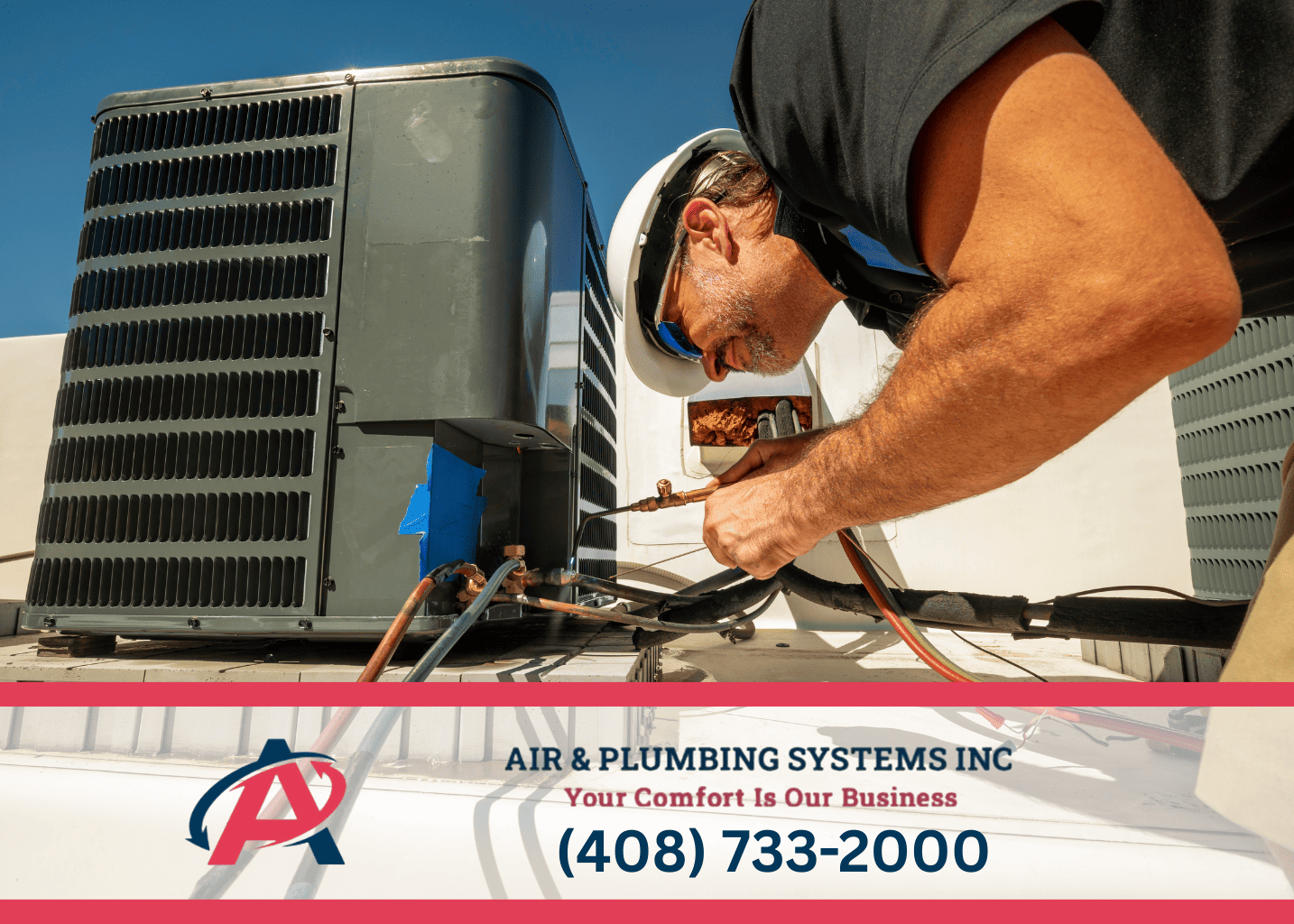
Your heating and cooling system is the unsung hero of your home, working tirelessly to keep you comfortable no matter the season. In a place like the Bay Area, where temperatures can swing from scorching summer days to surprisingly chilly winter mornings, your HVAC system provides that perfect 72-degree breeze in the summer and a cozy, warm house in the winter. This consistent comfort is easy to take for granted – until something goes wrong.
Many homeowners in Santa Clara County only realize the importance of their heating, ventilation, and air conditioning systems when they’re left shivering under blankets or melting in the heat. But understanding your HVAC system is about more than just maintaining a comfortable temperature. Especially in California, where energy costs are on the rise and air quality is a growing concern due to wildfire seasons, knowing your system is crucial for saving money, improving your family’s health, and protecting your most valuable investment: your home.
Ready to become an HVAC-savvy homeowner? Contact our certified technicians serving San Jose, Cupertino, Sunnyvale, and surrounding areas for a free system assessment. Don’t wait for a breakdown – let’s optimize your comfort today.
How HVAC System Works
Before diving deep, let’s visualize what’s happening in your home right now. Your HVAC system operates on a simple principle: it takes air from your living spaces, conditions it (heats, cools, or filters), then redistributes it back through your home. Think of it as your house’s circulatory system, constantly moving and refreshing the air you breathe.
The magic happens through three integrated processes:
- Heating: Furnaces, heat pumps, or boilers warm air during cooler months
- Ventilation: Fresh air enters while stale air exits, maintaining air quality
- Air Conditioning: Heat and humidity removal during hot California summers
The average American spends about 90% of their time indoors, making indoor air quality crucial for health and wellbeing. In the Bay Area, where wildfires can dramatically impact outdoor air quality, a well-functioning HVAC system becomes even more essential for filtering out pollutants, allergens, and smoke particles.
HVAC System Types: Finding Your Perfect Match for Bay Area Living
Just like there’s no universal solution for navigating Bay Area traffic, there’s no one-size-fits-all HVAC system. Your choice depends on your home’s size, age (Victorian in Palo Alto vs. modern Milpitas tract home), local climate patterns, and energy goals. Here’s how different systems perform in our unique Silicon Valley environment:
Comparison Chart: System Types with Efficiency Ratings, Costs, and Ideal Applications
| System Type | Efficiency Rating (SEER/AFUE) | Average Cost (Installation) | Ideal Applications |
| Central AC | 14–18 SEER | $3,500 – $7,500 | Larger homes, consistent cooling |
| Heat Pump | 16–20 SEER / 8–10 HSPF | $4,000 – $8,500 | Mild climates, both heating & cooling |
| Furnace (Gas) | 80–98% AFUE | $3,000 – $6,500 | Cold climates, reliable heating |
| Ductless Mini-Split | 18–22 SEER | $2,500 – $7,000 per zone | Homes without ducts, room-specific control |
| Hybrid System | 16–18 SEER / 90+% AFUE | $6,000 – $12,000 | Energy savings, variable climates |
Central Air Systems: The Reliable Workhorse
Most popular in Fremont, Newark, and Union City neighborhoods, central systems connect one main unit to ductwork throughout your home. These excel in our Mediterranean climate where you need both heating and cooling capabilities. Perfect for:
- Single-family homes built after 1960
- Consistent temperature control across multiple rooms
- Families prioritizing whole-house air filtration (especially important during wildfire season)
Heat Pumps: The Energy-Efficient Champion
Gaining popularity in Los Altos, Mountain View, and Sunnyvale due to California’s environmental initiatives. Heat pumps transfer heat rather than generate it, making them incredibly efficient in our moderate climate. They can both heat and cool by reversing their operation seasonally. Ideal for:
- Environmentally conscious homeowners
- Homes without natural gas connections
- Areas with mild winter temperatures (perfect for most Peninsula locations)
Ductless Mini-Split Systems: The Flexible Solution
Popular in older Campbell, Los Gatos, and Saratoga homes that lack existing ductwork. These systems offer room-by-room control, perfect for California’s indoor-outdoor lifestyle. Great for:
- Historic homes in Atherton or Portola Valley
- Home additions or converted garages
- Homes where family members prefer different temperatures
Radiant Heating: The Luxury Option
Found in high-end Menlo Park and Stanford area homes, radiant systems heat surfaces directly rather than air. Think heated floors that warm your entire space evenly. Best for:
- New construction or major renovations
- Homeowners with allergies (no air circulation means fewer airborne particles)
- Energy-efficient heating combined with separate cooling systems
Not sure which system is best for you?
Key Components: The Orchestra Behind Your Comfort
Every HVAC system is like a well-orchestrated symphony, with each component playing its crucial part. Understanding these parts helps you communicate with technicians, troubleshoot issues, and make informed decisions about repairs or replacements.

Smart Thermostats: Your System’s Brain
Modern smart thermostats are game-changers for Bay Area homeowners dealing with variable energy rates and Time-of-Use pricing. They learn your schedule, adjust temperatures automatically, and can significantly reduce PG&E bills. Advanced models can:
- Automatically adjust during peak energy pricing hours
- Monitor your system’s performance and alert you to problems
- Integrate with solar panel systems (increasingly common in San Jose area homes)
- Provide detailed energy usage reports
Air Handlers and Furnaces: The Powerhouses
These workhorses actually condition your air. In California, you’ll commonly find:
- Natural gas furnaces (popular in areas with established gas lines)
- Electric heat pumps (growing in popularity due to environmental regulations)
- Hybrid systems (combining efficiency with reliability)
Ductwork: Your Home’s Circulatory Network
Particularly important in older Peninsula homes, ductwork carries conditioned air throughout your house. Poor ductwork can waste up to 30% of your system’s energy – imagine losing almost a third of your PG&E payment! Common issues in Bay Area homes include:
- Disconnected ducts in crawl spaces (common in older tract homes)
- Inadequate insulation causing energy loss
- Improperly sized ducts affecting airflow
Air Filters: Your Health and System Protectors
Especially crucial during California’s wildfire seasons, filters trap dust, pollen, smoke particles, and other contaminants. Different grades offer varying protection levels:
- Basic fiberglass (minimal protection, lowest cost)
- Pleated filters (better particle capture, moderate cost)
- HEPA filters (maximum protection, higher cost, may require system modifications)
Outdoor Units: The Heat Exchange Hub
Your outdoor unit (condenser) contains the compressor, condenser coil, and fan. In our dusty California environment, keeping this unit clean and unobstructed is crucial for efficient operation. Notice unusual sounds, smells, or performance from any of these components? Don’t wait for a complete breakdown. Our certified technicians provide same-day service throughout Campbell, Cupertino, and surrounding communities. Just call us (408) 733-2000
Energy Efficiency: Your California Energy Bill’s Best Friend
Here’s a statistic that might shock you: heating and cooling account for nearly half of the average home’s energy use. In California, where residential electricity rates are among the nation’s highest, your HVAC system is likely your biggest energy consumer. That makes efficiency improvements potentially your biggest money-savers.
Understanding Efficiency Ratings
- SEER (Seasonal Energy Efficiency Ratio): Measures cooling efficiency. California requires minimum 14 SEER for new installations, but upgrading to 16+ SEER can significantly reduce summer bills
- HSPF (Heating Seasonal Performance Factor): Measures heat pump heating efficiency. Higher numbers mean lower winter energy costs
- AFUE (Annual Fuel Utilization Efficiency): For furnaces, shows what percentage of fuel converts to heat
California-Specific Efficiency Strategies
- Time-of-Use optimization: Program your system to pre-cool homes during off-peak hours
- Zoning systems: Condition only occupied areas (perfect for large Los Altos or Saratoga homes)
- Smart thermostats: Reduce energy use by 10-15% through automated scheduling
- Proper sizing: Professional load calculations ensure optimal efficiency (oversized systems waste energy, undersized systems struggle)
Rebates and Incentives
California offers numerous rebates for efficient HVAC upgrades:
- PG&E rebates for qualifying equipment
- Bay Area Air Quality Management District incentives
- Federal tax credits for high-efficiency systems
- Local utility programs for smart thermostats
Want to maximize your energy savings and take advantage of available rebates? Our energy efficiency specialists help Sunnyvale and Milpitas homeowners navigate all available incentive programs while choosing optimal system upgrades.
Maintenance and Troubleshooting: Keeping Your System Happy in California’s Climate
California’s unique climate presents specific challenges: dusty conditions, wildfire smoke, temperature swings, and extended cooling seasons. Proper maintenance becomes even more critical for system longevity and performance.
Seasonal Maintenance Schedule
Spring prep (March-April): Clean outdoor units, check refrigerant levels, test cooling operation
Summer vigilance (May-September): Monthly filter changes, keep outdoor units clear of debris
Fall preparation (October-November): Heating system inspection, ductwork check, thermostat calibration
Winter maintenance (December-February): Monitor heat pump defrost cycles, check for air leaks
Filter Replacement: Extra Important During Fire Season
California homeowners need more frequent filter changes due to:
- Wildfire smoke: Can clog filters rapidly during fire season
- Dust and pollen: Year-round allergens require consistent filtration
- Construction debris: Common in growing communities like Fremont and Newark
Change filters every 30-60 days during fire season, every 90 days otherwise.
Common Warning Signs in Bay Area Homes
- Unusual sounds (rattling from earthquake damage to ductwork)
- Uneven heating/cooling (common in multi-story Peninsula homes)
- Rising PG&E bills without increased usage
- Poor air quality (especially important during wildfire season)
- System short-cycling (often caused by improper sizing)
DIY Troubleshooting Steps
- Check thermostat batteries and settings
- Ensure vents aren’t blocked by furniture
- Inspect circuit breakers
- Look for obvious issues (dirty filters, debris around outdoor unit)
- Check for ice buildup (can happen even in our mild climate)
However, know your limits: Refrigerant issues, electrical problems, and major component failures require professional attention from licensed California contractors.
Future-Proofing Your HVAC Investment in the Bay Area
The HVAC industry is evolving rapidly, driven by California’s aggressive environmental policies, advancing technology, and changing energy landscape. Understanding these trends helps you make informed decisions about upgrades and replacements.
Smart Home Integration
Modern systems communicate with other devices, learning from your habits and optimizing performance automatically. They now support voice control (Alexa, Google), solar panel integration, remote monitoring, and predictive maintenance.
Environmental Compliance
California’s strict regulations are accelerating innovation. Outdated refrigerants are being phased out, heat pumps are incentivized over gas furnaces, and efficiency standards for new systems are higher than ever. Air quality requirements also push for advanced filtration.
Renewable Energy Integration
With the state’s strong shift toward renewables, HVAC systems increasingly work with solar panels and battery storage. This reduces operating costs, supports time-of-use optimization, and enables grid-interactive performance for balancing energy demand.
Indoor Air Quality Advancement
Post-pandemic awareness has heightened the need for better indoor environments. Today’s systems include advanced filtration (especially valuable during wildfire season), UV sterilization, humidity management, and improved ventilation.
Ready to future-proof your home’s comfort system
FAQs
How often should I change my HVAC filter during California’s wildfire season?
During active fire season or when air quality is poor, check filters weekly and replace them as soon as they appear dirty – often every 2-4 weeks. Standard times (every 1-3 months) don’t apply when smoke and ash are present. Homes in Fremont, Milpitas, and San Jose may need more frequent changes due to their proximity to hills where fires commonly occur.
What temperature should I set my thermostat to save money with PG&E’s Time-of-Use rates?
During peak hours (typically 4-9 PM), set your thermostat to 78°F in summer and 68°F in winter. Pre-cool your home during off-peak hours to 72-74°F, then let it coast through peak periods. Smart thermostats can automate this process, potentially saving 15-25% on summer bills.
How long should my HVAC system last in the Bay Area climate?
With proper maintenance, most systems last 15-25 years. However, California’s environmental regulations and energy efficiency improvements often make replacement worthwhile after 10-15 years. Heat pumps typically last 10-15 years, while well-maintained furnaces can reach 20+ years.
Is it worth upgrading to a smart thermostat with PG&E’s energy rates?
Absolutely. Smart thermostats typically pay for themselves within 12-18 months through energy savings. They’re particularly valuable with Time-of-Use rates, automatically shifting energy consumption to lower-cost periods. Many models qualify for PG&E rebates, making them even more cost-effective.
How can I improve my home’s air quality during wildfire season
– Upgrade to high-quality pleated or HEPA filters
– Keep windows and doors closed during poor air quality days
– Run your HVAC fan continuously to maintain filtration
– Consider adding portable air purifiers in bedrooms
– Ensure proper humidity levels (30-50%) to reduce respiratory irritation
– Schedule professional duct cleaning after heavy smoke events
Phone: (408) 733-2000
Email: info@airandplumbing.com
Ready to upgrade your home’s HVAC system? Contact the Bay Area’s trusted HVAC experts for a free consultation and personalized assessment!
What Our Clients Are Saying