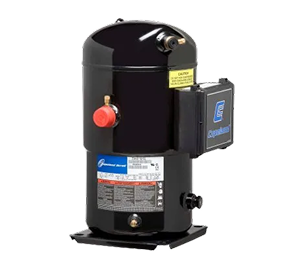
Type of work performed: Diagnosed and replaced a failed compressor in a commercial rooftop heat pump, restoring full heating and cooling without a full system replacement.
Area of the room: ~2,500 sq ft (≈230 m²) of conditioned commercial space
Material / technique used: New OEM-compatible compressor, refrigerant recovery and recharge, electrical component inspection, system performance testing.
Location: Milpitas, California
Project type: Commercial HVAC repair
Running a Bay Area business is hard enough without your rooftop heat pump deciding to quit on you. When a Milpitas business called about inconsistent indoor temperatures and a system that couldn’t keep up, our technicians traced the problem to a failed compressor — the heart of the heat pump. Instead of recommending a full rooftop replacement, we replaced the compressor, restored the system to full performance, and had the business back to normal comfort in a single visit.
Table of contents
The challenge
Employees at this Milpitas facility had noticed the warning signs for weeks: uneven temperatures room to room, longer run cycles, and a heat pump that seemed to be working harder for less result. A compressor is to a heat pump what an engine is to a car — when it starts to fail, everything downstream of it suffers, including your comfort and your utility bill. Our diagnostic inspection confirmed a failed compressor, which meant refrigerant was no longer circulating properly. As a result, the system could no longer cool the building efficiently, forcing it to run longer while delivering less consistent comfort.
The tricky part of a commercial compressor swap isn’t the swap itself — it’s everything around it. Refrigerant has to be recovered according to EPA refrigerant-handling regulations, the refrigeration circuit has to be checked for contamination, and the new compressor has to match the existing system exactly. Skip any of that, and even a brand-new part can fail early — which is exactly the kind of shortcut that leads to a second service call a few months later.
The solution and the process
Once the failed compressor was confirmed, our technicians safely recovered the existing refrigerant, removed the damaged compressor, and inspected the refrigeration circuit. From there, the job was as much about verification as installation: pressure-testing for leaks, evacuating the system to pull out moisture and contaminants, recharging with the correct refrigerant quantity, and testing operating pressures, airflow, and temperatures before calling it done.
| Component | What we did | Why it matters |
|---|---|---|
| Compressor | Removed the failed unit; installed a new OEM-compatible replacement compressor | Restores refrigerant circulation and heat transfer — the core function of the heat pump. |
| Refrigeration circuit | Inspected for contamination, then pressure-tested and evacuated | Moisture or debris left behind is the most common reason a new compressor fails early. |
| Refrigerant charge | Fully recovered, then recharged to the correct quantity | Under- or over-charged systems run inefficiently and stress the new compressor. |
| Electrical components | Inspected connections and controls | Confirms the new compressor is wired and protected correctly before startup. |
With the system fully commissioned, we verified both heating and cooling modes. For more on how these pieces work together, see our roundup of the most reliable HVAC brands for longevity.
Key results
- Full heating and cooling restored from the existing rooftop heat pump — no separate system needed.
- Even, reliable comfort across the conditioned space — the hot/cold-spot complaints stopped.
- Minimal business disruption — diagnosis, compressor swap, and full recharge completed in one visit.
- Lower repair cost than a full rooftop replacement, since the remaining major components were still in good shape.
Why repair the compressor instead of replacing the unit
Not every failing rooftop unit needs a full replacement. When the compressor is the only major component that’s failed, a properly installed replacement compressor can add years of service life at a fraction of the cost of new equipment — and a correctly matched compressor also helps the unit run at its designed efficiency instead of straining to keep up. That’s a common story across our inland-valley service area, from Milpitas to Fremont, Newark, and Sunnyvale, where rooftop units take a beating from sun and heat cycling year after year. If a full system swap is ever the right call, our cost guide for HVAC installation in California is a useful starting point for comparing the numbers.
Maintenance tips for commercial heat pumps
A compressor is one of the most expensive components in any commercial HVAC system, and most failures are preventable. A few habits go a long way toward protecting it:
- Schedule professional preventive maintenance at least twice a year.
- Replace air filters on schedule to keep airflow where it should be.
- Keep the rooftop unit clear of debris and standing water.
- Watch for unusual noises, longer run times, or a jump in energy bills.
- Address refrigerant leaks immediately, before they take the compressor down with them.
Following the ENERGY STAR commercial maintenance checklist and tracking rooftop-unit performance the way the Department of Energy recommends for commercial buildings are both good habits worth adopting alongside a regular service schedule. If a system is already showing symptoms, our full diagnostic walkthrough for a system that won’t cool covers the most common causes.
Commercial Compressor Repair
FAQs
Yes. We service commercial rooftop heat pumps and HVAC systems throughout Milpitas and the surrounding inland valley, including Sunnyvale, Fremont, and Newark. To schedule service or discuss your commercial HVAC needs, call us at (408) 733-2000.
The most common signs are uneven or inconsistent indoor temperatures, longer-than-normal run cycles, unusual noises from the rooftop unit, and a noticeable drop in heating or cooling performance. If you’re noticing any of these, it’s worth scheduling a diagnostic before the system stops working altogether.
If the rest of the system is still in good condition, replacing just the compressor is almost always the lower-cost option and can add years of service life. We’ll always tell you honestly if the rest of the unit is old enough that a full replacement makes more sense during your free assessment.
Most commercial compressor replacements, including refrigerant recovery, the swap itself, evacuation, recharge, and testing, are completed in a single visit. Exact timing depends on the unit’s accessibility and how the refrigeration circuit inspection goes.
Phone: (408) 733-2000
Email: info@airandplumbing.com
If your commercial heat pump is struggling to keep up, making unusual noises, or has stopped working altogether, don’t wait for it to get worse. Call (408) 733-2000 for a free, no-obligation assessment, or book your appointment online in just a few clicks.
What Our Clients Are Saying