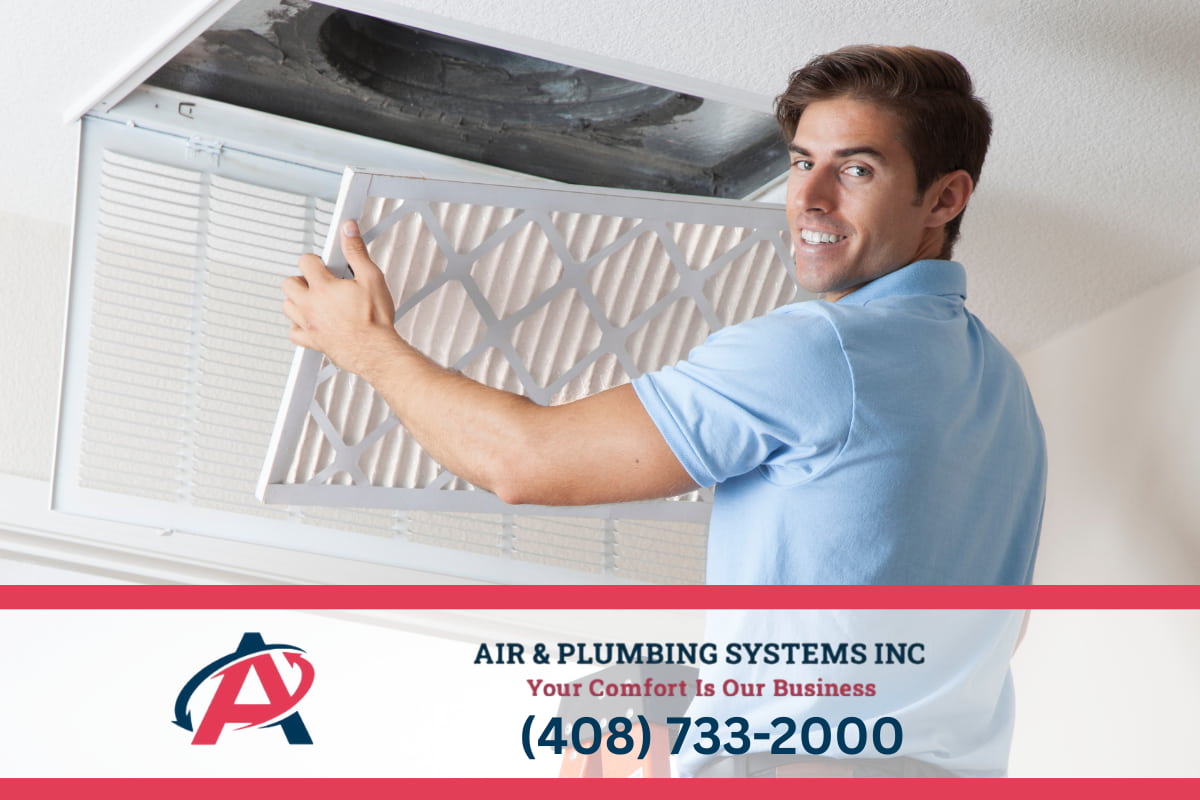
Being honest, when did you last think about your furnace filter? The point is, however, that that lowly filter is overworking to maintain the quality of your indoor air at its highest level and your HVAC system operating efficiently. Ignoring it? It is like driving your car without changing its oil in years and wondering why it is making strange sounds.
The reason why your furnace filter replacement schedule is not just another random maintenance procedure that your HVAC technician keeps reminding you about. It’s the difference between breathing clean air and circulating allergens, pet dander, and mystery particles throughout your home. Also, it can have a significant effect on your energy bills and the life of your heating and cooling system. Now we are going to get down to the bottom of all you should know about the best frequency of filter change – because your lungs (and your wallet) will be glad.
How Often Should You Change Your Furnace Filter?
For most homes: Replace standard 1-3 inch pleated filters every 60–90 days.
With pets: Change filters every 30–60 days (more frequently with multiple pets).
With allergies or asthma: Replace every 30–45 days for optimal air quality.
Vacation homes or minimal use: Change filters every 6–12 months.
During renovations: Replace weekly or bi-weekly due to increased dust and debris.
The frequency varies based on the type of filter (MERV rating), the number of people in the household, pets, allergies and use of the system. Continue reading to have your own filter change schedule.
HVAC Filter Type, MERV Rating, and Replacement
Not every air filter is the same, and that is precisely why there is no universal solution to the question of how often should I change my furnace filter? Consider it as asking how many times you should wash your hair- it will depend on your hair type, lifestyle and personal needs.
Fiberglass filters (MERV 1-4) are the economy option of the filter world. They are slim, cheap and, frankly, they are just doing the bare minimum. These simple filters normally require replacement after every 30 days since they trap bigger particles but let smaller contaminants slip right through. When you are using these disposable filters, put a tick on your calendar every month.
Pleated filters (MERV 8-13) are the sweet spot for most homeowners. These medium efficiency filters have increased surface area due to their accordion design, which captures smaller particles such as mold spores, pollen, and dust mites. Pleated air filters typically last 60–90 days, depending on the thickness and MERV rating. They are the workhorse of the filter world, dependable but not costly.
High-efficiency HEPA filters (MERV 17-20) are the premium choice for maximum filtration efficiency. These giants collect 99.97% of particles as small as 0.3 microns. They are however thicker and offer more resistance to airflow and as such, you will normally have to change them after every 6–12 months. They are ideal when one of the members of your family has serious allergies or breathing problems.
Electrostatic and washable filters are also reusable and can last 5–10 years with proper care. You will have to wash these once a month or two instead of replacing them. They are environmentally friendly and less expensive in the long-term, but they demand more direct maintenance dedication.
Key Factors Affecting Filter Lifespan: Pets, Air Quality, and System Usage
This is where it becomes interesting- because your neighbor’s filter change schedule might be totally wrong for your home. There are a number of critical variables that define your optimum replacement frequency.
Owning pets and pet dander is a significant game-changer. Got a furry friend? The hair and dander of pets are quick to build up and block the filters before you can say good boy. Even higher-quality filters, homes with more than one pet should consider changing the filters every 30–45 days. These tumbleweeds of fur do not simply disappear – they are getting stuck in your filter.
Allergy and asthma concerns demand more frequent filter changes. When a member of your family has respiratory sensitivities, your filter is their initial barrier against airborne irritants. Waiting the maximum recommended time is not necessary, be on the safe side and replace filters more often to ensure high-quality indoor air.
Home size and HVAC system usage directly impact filter performance. A 3,000-square-foot house with continuous heating or air conditioning will recycle a lot more air in the system than a 1,200-square-foot apartment that is used infrequently. An increase in airflow translates to quicker filter saturation.
Local air quality and environmental conditions matter tremendously. Reside close to construction areas, heavy traffic, or high pollen levels or wildfire smoke? Your filter is overworking. Likewise, when you are renovating your house, you must replace filters more often, even once a week in the case of heavy construction.
The seasonal changes impose varying loads on your HVAC system. Filters collect debris more quickly during peak summer and winter seasons when your system is operating 24 hours. A simple rule of thumb is used by many homeowners: they replace filters at the beginning of every season.
Looking for reliable HVAC experts?
Red Flags to Replace Your HVAC Filter Immediately
Your HVAC system is pretty good at telling you when something’s wrong – you just need to know what to look for. These red flags mean that your filter has passed its prime and it needs urgent attention.
Visible dirt and discoloration is the most obvious sign. Use a light source to view your filter. Can you see through it? If not, it’s time for a fresh one. A filter that has been in a dust storm does not do its job any more.
Higher energy bills and reduced efficiency without explanation often point to a clogged filter. In the situation of limited airflow, your heating and cooling system uses more energy to stabilize the temperature. It is like breathing through a pillow-possible, but tiring.
Less air is getting out of the vents, and it indicates that your system is having difficulties. Place your hand near a vent. When the air seems weak or irregular, chances are that it is your filter. This reduced efficiency affects comfort levels throughout your entire home.
The presence of dust around your house in large amounts especially around vents and on surfaces indicates that your filter isn’t capturing particles effectively. In case you are always dusting, check that filter.
A distinctive smell or moldy or musty smell circulating your duct work can be a sign of a filter that is housing some kind of mold, mildew or bacteria. It is not only unpleasant, but a health issue that needs urgent replacement of the filters.
System cycling on and off frequently or strange noises from your furnace often result from restricted airflow caused by a dirty filter. Your system is overworking, and it may cost you a lot of money to repair it in the future.
Creating Your own Custom Filter Maintenance Schedule
Now that you understand the variables, let’s build a maintenance routine that actually works for your specific situation. Consistency is key – sporadic attention won’t cut it.
Install smartphone or smart home reminders. Majority of the population has good intentions but they just forget. A reminder to filter your filter once every month will remove the mental burden. Certain intelligent thermostats will also have filters change messages.
Use the “visual inspection method” on a monthly basis irrespective of your usual replacement. Take out the filter and give it a check-up. Such check-up will last five minutes and help to avoid significant problems and comprehend your own filter consumption pattern.
When you identify the right filter to fit in your system, buy filters in large quantities. Being able to have alternatives in place does away with the I will do it next week excuse. In addition, bulk purchases are usually cheaper. Mark the date in which you installed the filter frame with a marker to ensure you can always determine that it was last changed.
Take a starting point of the quarterly rule in case of uncertainty. For average homes without special circumstances, changing standard pleated filters every three months keeps most systems running optimally. Adjust from there based on the factors we’ve discussed.
Record your filter changes in a basic spreadsheet or notes application. Record the date, type of filter, MERV rating and any notes regarding condition. You will establish routines over time that are unique to your house and then you are able to adjust your schedule accordingly.
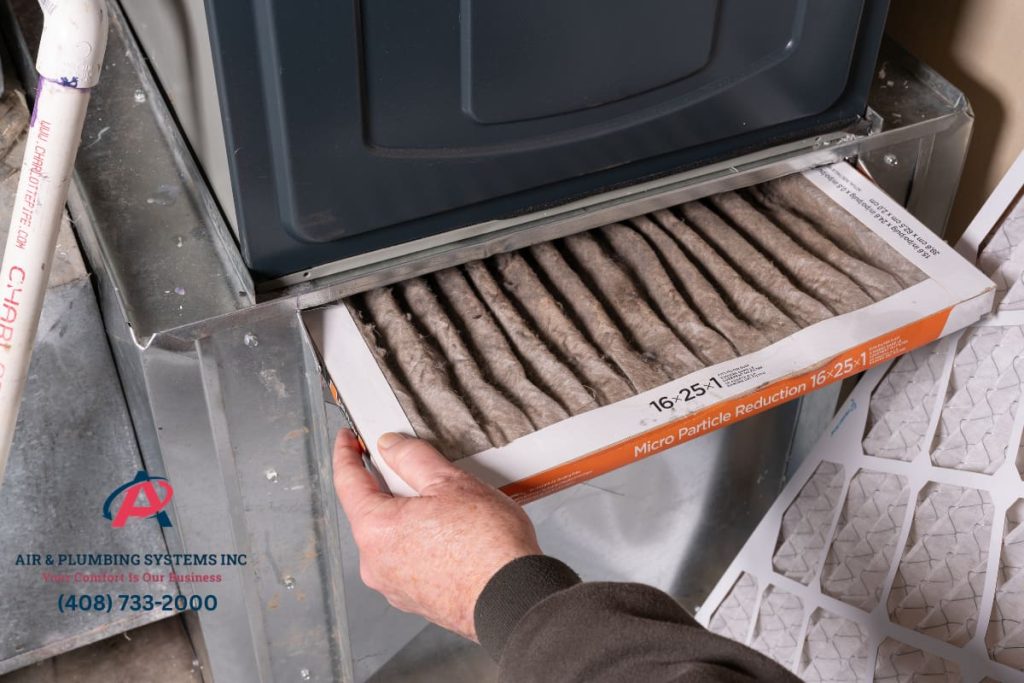
The Actual Price of Not Replacing Your Furnace Filter
Still tempted to push that filter change date back another month? Let us discuss the real cost of procrastination to you-ignorance is not bliss when it comes to maintenance of the HVAC.
A clogged filter may result in energy waste that may add up to 15% or more to the cost of heating and cooling. That filter you are avoiding that costs you 30 dollars would be costing you hundreds of dollars a year of wasted energy. According to the Department of Energy, one of the most affordable energy-saving steps that a homeowner can undertake is to replace dirty filters on a regular basis.
The most costly impact is probably shortened lifespan of HVAC system. Components deteriorate sooner, as your furnace or air conditioner runs more intensely, with limited airflow. The mean cost of replacing an HVAC system is between $5000 and $10000. Regular filter changes costing $100-200 annually suddenly seem like a bargain, don’t they?
Poor indoor air quality affects your health in ways that aren’t immediately obvious. Allergens, bacteria, and particulate matter circulate and cause respiratory problems, worsen asthma, and even deteriorate the quality of sleep. The physical and monetary health expenses accumulate in the long run.
Potential system breakdowns during the coldest or hottest days of the year (Murphy Law laws always make sure it happens) puts you in an uncomfortable position and imposes on you emergency repair charges that are much greater than the cost of regular maintenance.
Pro Tips for Maximum HVAC Efficiency
Ready to level up your filter game? These are the professional suggestions that will allow you to maximize your home comfort investment.
Learn about MERV ratings and select them suitably. The Minimum Efficiency Reporting Value is between 1-20 whereby the higher the figure, the better the filtration. However, MERV 8-13 is generally most efficient with residential systems. Excessive high-pressure may limit the airflow in systems not engineered to handle it.
Check your filter housing for gaps or damage. Even the best filter won’t work properly if air bypasses it through gaps around the edges. Ensure a snug fit and consider upgrading your filter slot if needed.
Clean the area around your air return regularly. Dust and debris near the intake get pulled into your system, accelerating filter saturation.
Consider air purifier supplements for homes with severe allergy concerns. While furnace filters are essential, standalone air purifiers in bedrooms or living areas provide additional protection for sensitive individuals.
Professional HVAC inspections are to be scheduled at least once a year, even if you’re diligent about filter changes. Technicians are able to trace problems and they are able to detect problems even before they turn into an expensive problem and make sure that your whole system runs smooth.
Upgrade to smart filters that include built-in sensors to monitor filter condition and alert you when replacement is needed. Technology has finally caught up with this old-school maintenance task.
HVAC Maintenance and Professional Furnace Filters Replacement
Still, it is not clear what MERV rating fits your system? Have the feeling that you need to install it correctly or to maximize the air quality in your home? Don’t leave your family’s comfort and health to guesswork.
HVAC professional technicians would be able to check your unique requirements, suggest what type of filter should be used and when it needs replacement and make sure that your entire heating and cooling system is at its best performance. Professional care through regular maintenance of the product identifies possible issues before they turn out to be costly crises.
Schedule professional furnace inspection today and enjoy:
- Professional filter choice, depending on the specific requirements of your house.
- Full system HVAC diagnostic and tune up.
- Reduced electricity consumption and utility payments.
- Long life of equipments.
- Better indoor air quality in your family.
Contact a certified HVAC professional in the Bay Area for comprehensive furnace maintenance service and filter replacement. Your system and the health of your family require professional attention.
The Bottom Line on the best filter care
You do not need to make your furnace filter change schedule a complicated one. Begin with the instructions of the manufacturer, adapt to the specifics of your house and be consistent. Imagine it as a paltry sum of time and money that will reap gigantic rewards in comfort, health, and system longevity. You should set that reminder now – your future self will be glad the day will come when you are breathing easy in a comfortable house, and your neighbors are maniacally dialing HVAC repair services on the hottest day of summer. Your filter may be small, but its effect on the comfort in your home and the quality of the air in your home is simply enormous.
Still have questions?
FAQs
Who provides professional furnace filter replacement service in the Bay Area?
Air & Plumbing Systems Inc – licensed HVAC contractor throughout the Bay Area offer professional filter replacement and furnace maintenance services. Certified technicians with experience in residential heating systems who can assess your specific filter needs based on your home’s air quality requirements. Professional service typically includes filter installation, system inspection, airflow testing, and recommendations for optimal maintenance schedules.
What size furnace filter do I need for my HVAC system?
Check your existing filter – dimensions are printed on the filter frame (typically something like 16x20x1, 20x25x1, or 16x25x1 inches). You can also check your furnace manual or measure the filter slot directly. Common residential filter sizes include 14×20, 16×20, 16×25, 20×20, and 20×25 inches with depths of 1, 2, or 4 inches. Always use the exact size specified; forcing an incorrect filter size compromises efficiency and can damage your system. If you’re unsure about your filter size, consult with a professional HVAC technician.
Can I clean and reuse disposable filters?
No. Disposable fiberglass and pleated filters are designed for single use. Attempting to clean them damages the filter media and reduces effectiveness. Only washable or electrostatic filters marked as reusable should be cleaned and reinstalled.
What happens if I install the filter backwards?
Filters have airflow direction arrows printed on the frame. Installing it backwards reduces efficiency and can allow particles to bypass the filter entirely. The arrow should point toward the furnace/air handler (in the direction of airflow).
Can a dirty filter cause my furnace to stop working completely?
Yes. Severely restricted airflow from an extremely clogged filter can cause overheating, triggering safety shutoffs. In extreme cases, it can damage heat exchangers or other critical components, leading to complete system failure.
Where can I buy furnace filters near me?
Furnace filters are available at home improvement stores (Home Depot, Lowe’s), hardware stores, online retailers (Amazon, FilterBuy), and directly from HVAC suppliers. Local HVAC service companies also stock common filter sizes.
Do I need different filters for heating versus cooling seasons?
Not typically. The same filter works year-round for most systems. However, some homeowners choose higher-efficiency filters during allergy seasons (spring and fall) and standard filters during other months as a cost-saving measure.
Phone: (408) 733-2000
Email: info@airandplumbing.com
Want to keep your HVAC system running efficiently? Contact the Bay Area’s trusted plumbing experts for a free consultation and personalized assessment!
What Our Clients Are Saying