The winter is knocking at your door, and in case you are using a heat pump to warm your house, you would better ensure that it is prepared to face the challenge. Imagine your heat pump as a marathon runner who is about to run a big race – it will not be able to perform well when the temperature falls unless it is properly prepared. Proper heat pump maintenance before winter can mean the difference between comfortable warmth and costly emergency repairs. We will take you through all you need to know about winter heat pump preparation, when to do it yourself and when to hire a professional heat pump inspection.
The Importance of Winter Preparation of Your Heat Pump
And now, here is something that may come as a surprise to you: heat pumps operate by drawing the warm air outside, even when it feels freezing cold. Sounds like magic, right? However, when the weather is colder your heat pump must labor much more intensely to keep the inside temperatures comfortable. Recent energy research shows that a properly prepared heat pump that is in good condition can be a whole 300% more efficient than conventional electric heating, though only when it is properly prepared to withstand winter conditions.
The difference between a heat pump that struggles through winter and one that thrives comes down to preparation. Homeowners who have saved hundreds of dollars on their energy bills by merely adhering to an extensive pre-winter checklist. Let’s make sure you’re one of them.
Heat Pump Check: What to Check Before Winter
Clear the Outdoor Unit
The outdoor unit is the workhorse of your heating system, and it should be able to breathe. Go out outside and have a good look around. Does it have debris, leaves or vegetation crowding it? At least two feet of clearance on all sides will be desired. Imagine that you are giving your heat pump some personal space – it cannot work well when it is choked by your overgrown bushes or that stack of leaves that you have been meaning to rake.
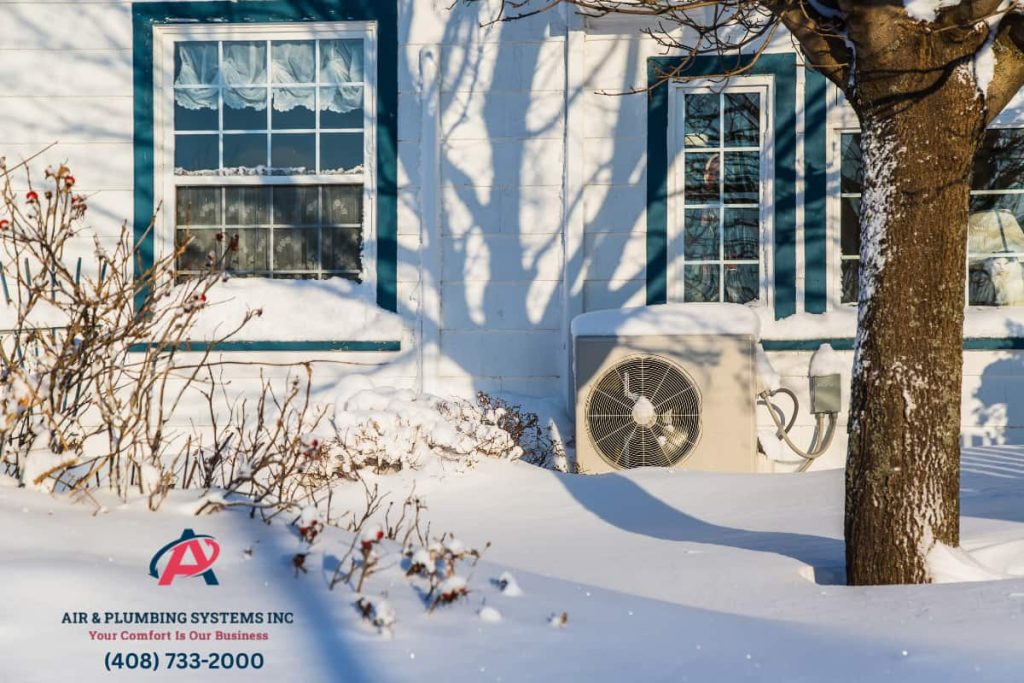
Clean off accumulated debris from the top and sides of the unit. You will also have to be alert of snow accumulation during winter. Having a heat pump in a snow is like trying to run with a plastic bag on your head – not a good idea.
Check and Replace Air Filters
This is a deal-or-nothing one, folks. The leading cause of low heat pump efficiency is dirty air filters. In winter when your system is used more often, filters become dirty sooner. The rule of thumb is as follows: every month during the heating season, check filters and change them every 1-3 months based on the use and the conditions in the house.
Got pets? Kids? Both? Even more frequent changing of filters may be necessary. A blocked filter causes your heat pump to strain and increases energy expenses and may cause damage to the system. It is a five-minute exercise that would save you a thousand-dollar repair bill.
Inspect the Defrost Cycle
Your heat pump’s defrost cycle is its secret weapon against winter conditions. Understanding how it works helps you spot problems early.
How to Check Your Heat Pump Defrost Cycle: You’ll see steam (water vapor) rising from the outdoor unit, and you’ll hear a characteristic clicking sound. This means the system has temporarily switched to cooling mode to melt accumulated ice. The entire process typically takes 5-15 minutes. If you notice excessive ice buildup that doesn’t melt after the defrost cycle runs, or if your unit never seems to clear the frost, it’s time to call a professional. This could indicate low refrigerant levels or a faulty sensor.
Thermostat Program and Energy Saving
Maximize Your Thermostat
This is where most homeowners shoot themselves in the foot: constantly adjusting the thermostat. Heat pumps do not like extreme changes in temperature. They are set to ensure that the temperatures are kept consistently unlike the traditional heating systems. It is much more effective to set your thermostat to 68-72°F and leave it there than it is to turn it to 78°F when you are cold and turn it back.
Consider investing in a smart thermostat if you haven’t already. Contemporary thermostats get to know your preferences and automatically optimize the work of the heat pump. Some homeowners claim to save 10-23% of their energy bills by having programmable thermostats installed – that is real money in your pocket.
Understand Auxiliary Heat
The vast majority of heat pumps include auxiliary or emergency heat, usually electric resistance heating. The thing is as follows: this backup system is 2-3 times more expensive to operate than the regular heat pumps.
What to observe: Your system should only use auxiliary heat when outdoor temperatures drop very low (usually below 25-40°F) or when raising indoor temperature quickly. When you see AUX HEAT or EMERGENCY HEAT on your thermostat all the time, even during moderate weather, there is something amiss. This is the time to make a service call before you get a shock when your next electric bill comes.
Schedule professional diagnostics
Professional Heat Pump Service
While there’s plenty you can do yourself, bringing in a professional before winter hits is worth every penny. The difference between DIY maintenance and professional service is the following:
Annual Heat Pump Maintenance: What HVAC Professionals Inspect:
- Refrigerant levels – Low refrigerant is a common winter performance killer that only certified technicians can address
- Electrical connections and components – Ensuring safe, efficient operation
- Reversing valve operation – The critical component that switches between heating and cooling modes
- Defrost control and sensors – Verifying the automatic defrost cycle works properly
- Compressor function – Testing the heart of your heat pump system
- Airflow measurements – Confirming proper circulation throughout your home
- Moving parts lubrication – Reducing wear and preventing breakdowns
Professional maintenance typically costs $100-200, but it can prevent repairs that cost ten times that amount. Think of it as an insurance policy for your comfort and wallet.
Professional heat pump inspection required? Every year, a certified HVAC technician will service your system to guarantee optimal performance during winter and increase the lifespan of your system. Waiting until the first cold snap is not the best time to do it – make your maintenance appointment right nowl.
Best Practices for Cold Weather
Managing Snow and Ice
As soon as snow begins to fall, do not allow it to accumulate on or around your outdoors unit. Always keep it clean, but here is a tip: never apply sharp objects or ice melting products to the unit itself. You could damage delicate components or corrode metal surfaces. Instead, gently brush snow away with a broom and create a small shelter or elevated platform if your area gets heavy snowfall.
Interesting fact: in snowy areas, some homeowners install the covers or shields over their outdoor units in order to avoid snow build-up and still allow the air to pass through. Just make sure never to completely enclose the unit – it needs air circulation to function.
Recognize Warning Signs
Listening to your heat pump. Weird sounds such as grinding, squealing, or banging? That’s not normal. Ice accumulating on the outside unit which is not removed during defrost cycles? Problem. Observably increased energy bills and no increased use? Your heat pump is struggling. Uneven heating throughout your home? Something’s blocking airflow or there is a malfunction in the system.
These are the warning signs that should not be overlooked. Addressing small issues early prevents expensive emergency repairs when you need heat most desperately.
Winter Operation Energy Saving Tips
Want to maximize efficiency? Open interior doors to allow free air flow – by sealing rooms, you are asking your system to labor harder. Ceiling fans should be used in reverse (clockwise) to draw down warm air at the ceiling. Seal air leaks around windows and doors. Use close curtains at night to keep the heat in and open them on sunny days to use passive solar heating.
Think about having supplemental heating on very cold nights. A space heater in the room you’re occupying can be more efficient than forcing your heat pump to heat your entire home to higher temperatures during a cold snap.
That is all you need to know to keep your heat pump running in the winter. It is not only about comfort when following this checklist as it is also about protecting your investment, cost of energy and making sure your system will last the entire 15-20 years.
Prepared to provide maximum winter performance? It doesn’t matter whether you are performing DIY maintenance or professional heat pump maintenance, it is better to act now before you have to pay an expensive emergency repair in the future. Your heat pump is a hardworking member of the family – it deserves the kind of care it is getting, and it will pay you back in warm, dependable service when you need it the most.
Get expert service
FAQs
How cold is too cold for a heat pump to work?
Most modern heat pumps work efficiently down to about 25°F, with many newer models operating effectively to 0°F or below. However, efficiency decreases as temperatures drop, and your system may rely more on auxiliary heat in extreme cold.
Should I cover my outdoor heat pump unit in winter?
No! Never completely cover your outdoor unit. It needs airflow to operate. You can install a shield above it to prevent snow accumulation, but the sides must remain open for proper air circulation.
Why is my heat pump running constantly in winter?
This is actually normal during very cold weather. Heat pumps operate differently than traditional furnaces – they run longer at lower capacity rather than in short, intense bursts. However, if it never shuts off even in mild weather, that indicates a problem.
How often should I check my heat pump during winter?
Quick visual inspections weekly are smart, checking for ice buildup, debris, and unusual snow accumulation. Check indoor filters monthly and schedule professional maintenance annually before heating season begins.
Can I defrost my heat pump manually if it ices up?
Your system should defrost automatically. If ice accumulation is excessive or persistent, it indicates a problem that needs professional diagnosis. Never pour hot water on the unit or try to chip ice away – you’ll cause damage.
What’s the difference between auxiliary heat and emergency heat?
Auxiliary heat activates automatically when your heat pump needs help during cold weather. Emergency heat is manually activated and should only be used if your heat pump completely stops working. Both use expensive electric resistance heating.
Phone: (408) 733-2000
Email: info@airandplumbing.com
Keep your heat pump running efficiently – schedule your maintenance check with Bay Area professionals. Call us!
What Our Clients Are Saying