Did you know that heating makes up almost 42% of your total energy bills in the cooler months? That’s a jaw-dropping set of your hard-earned money fading away into thin air – literally. But here’s good news: You don’t have to choose between keeping warm and keeping your wallet happy. With some clever strategies and practical adjustments, you should be able to significantly lower your heating costs without your home turning into a refrigerator.
Think of your home as being a leaky bucket. No matter how much water (or in this case, heat) you pour in, if there are holes, you are fighting a losing battle. The secret to winter energy savings isn’t just about cranking up the thermostat less – it’s about making your homework smarter, not harder. Ready to learn more about what you can do to cut those heating costs in half and stay warm? Let’s dive into some game-changing ways to keep you and your bank account warm this winter.
Understanding Your Home’s Heat Loss Problems
Before we are going to head into solutions, let’s chat about where your precious heat is actually escaping. According to energy audits, the average home loses heat through several areas, and understanding thermal vulnerabilities is important in knowing how to place your energy-saving efforts to good use.
Where Your Heat Is Escaping:
Windows and Doors: 25-30% of total heat-loss
Walls: 35% of wasted warmth
Roof and Attic: A maximum of 25% of heating energy
Basement and Floors: 15-20% Heat escapes
Air Leaks and Gaps: The equivalent to a 3 to 3 foot hole in your wall
Here’s a mind-blowing fact: if you added-up all of the small gaps and cracks in your typical home’s exterior it would(could) be equivalent to having a 3-foot-by-3-foot hole in your wall. Imagine trying to heat your house with a window that size wide open all year round! That’s what most homeowners are living with and not even know they have.
The first step in reducing the cost of heating is to realize that your home is a system. Each and every component is working together – or against you. When you tackle these problem areas strategically, you’re not merely affecting minor adjustments, but you’re essentially transforming the way your house retains heat and the process in which that happens very efficiently.
4 Simple on the Spot Energy Efficiency Hacks
Want to see results but not want to break out the toolbox? These simple adjustments can provide immediate savings and are perfect for homeowners searching for fast-acting solutions:
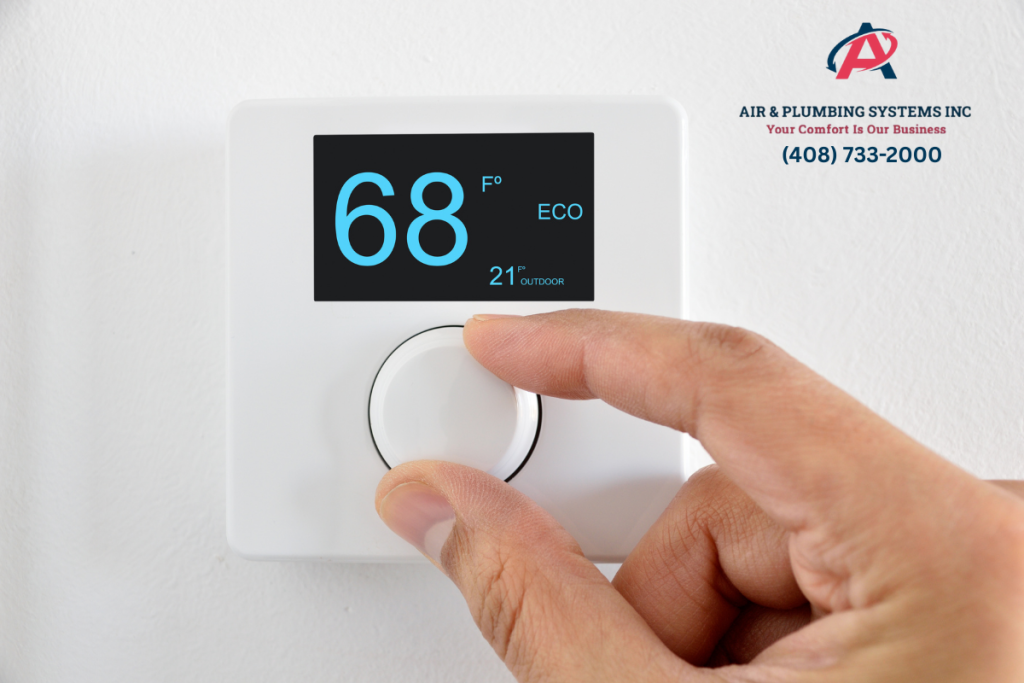
Set Your Thermostat to 68 Degrees (20 Celsius)
For every degree that you turn your thermostat down, you can save approximately 1-3% of your heating bill. Try setting it to 68o F (20 o C) when at home and awake, and then dropping it to 55-60o F (13-16 o C) when asleep or away. A programmable thermostat can automate this process, potentially saving you up to $180 annually.
Close Curtains at Night for Insulation
During daytime open curtains on south-facing windows to take advantage of free solar heating. The sun can also heat your room by several degrees at no cost to you. Then, as soon as the sun goes down close those curtains to keep the cold outdoors out – That one simple habit will cut energy used from heat loss through windows by up to 15%.
Reverse your Ceiling Fans Clockwise
This may sound somewhat counter-intuitive but it’s all the magic of physics. Most ceiling fans have a switch which reverses the direction of the blades. In Winter mode, your fan should be turned to the clock-wise direction at low speed. This pushes warm crank infused air up to the ceiling back down into your living-space. It is like getting free heat you have already paid for!
Use Space Heaters for Zone Heating
If you spend most of your time in one or two rooms, look at getting an energy-efficient space heater and adjust the whole house thermostat. Modern space heaters with thermostats may be as little as 10 cents per hour to heat a small space, which may be less expensive than heating the whole home.
Insulation & Weatherproofing: Lower Your Home Heating Bills
Now let’s talk about the heavy hitters: improvements that deliver serious and very long-term savings. Think of insulation as a thermal blanket for your home. The better your house is wrapped the less energy you’ll need to heat it to a comfortable temperature.
Shrink Those Air Leaks: Seal Them
Grab some caulk and some weatherstripping and you’ve got yourself a DIY project that will save up to 10-20% on heating costs. Process focus on Windows, doors, electrical outlets, anywhere pipes or wires enter your home. This is one of the best investments in saving money you can make-materials are about $50-100 total, but the savings for yearly amount of $200-300 is it worth the price. For thorough results consider a professional home energy audit for finding all problem areas using thermal imaging technology.
Upgrades Attic Insulation Installation
Heat rises, remember? If you don’t have enough insulation in your attic (R-38 in most climates), then you’re just heating up the great outdoors. Insulation in your attic can save you 15 to 25% on heating. While professional installation can cost $1,500–3,000, the payback period is usually only 2–4 years.
Ready to change your household efficiency?
Install Thermal Window Treatments
Thermal curtains or cellular shades are not simply fashion; indeed, they are a functional heat retention system. These window treatments can save as much as 25% heat loss, and they’re available in different price ranges. Even inexpensive solutions from your local home improvement store can make some noticeable difference.
Don’t Forget Your Doors
A door sweep costs roughly $10 and only takes five minutes to install but they can cut out a major cause of drafts. If you have an old exterior door, you may want to find out if it may make sense to replace the door with an insulated model. Modern insulated doors will cut heat loss through doorways by 50% or more.
Maintenance of the Furnace and the HVAC System
Your heating system is your car, forget it, and it will use up fuel inefficiently and act not very well. It is not just a concern on avoiding the breakdowns but to achieve the highest level of efficiency and minimum expenditure.
| Maintenance Action | What It Involves | Why It Matters | Impact on Efficiency & Costs |
| Change air filters regularly | Check filters monthly during winter and replace them every 1–3 months when dirty | Dirty filters restrict airflow, forcing the furnace to work harder and wear out faster | Improves efficiency by 5–15%; costs only $15–30 per filter |
| Schedule annual HVAC maintenance | Professional tune-up including cleaning components, checking carbon monoxide leaks, and calibrating the thermostat | Prevents unexpected breakdowns and identifies issues early | Boosts efficiency by 15–30%; costs $100–150 per year |
| Keep vents and registers clear | Ensure furniture, rugs, or curtains do not block airflow; close no more than 20% of vents | Blocked vents create pressure imbalance and strain the system | Maintains proper airflow and prevents long-term system damage |
| Install a smart thermostat | Thermostat learns your schedule and adjusts temperatures automatically | Reduces unnecessary heating and improves comfort | Lowers heating costs by 10–23%, saving $131–145 annually |
A properly required heating system would last between 15–20 years, whereas a poorly looked after one could be replaced even within 10 years. Be proactive, do not need to wait until your heating system breaks – schedule your annual heating system inspection and ensure reliable, cost-efficient performance throughout winter.
Alternative Heating Methods and Cost-Effective Strategies
Occasionally, it is important to think outside the box (or even outside the furnace) and make some savings. So, some innovative ways to keep warm and spend less.
Layer Up and Lower the Thermostat
It may seem pretty self-evident, but just because of that a warm sweater and slippers enable you to conveniently decrease your thermostat by the margin of 2–3 degrees, which will, in turn, help you pay a bill 6-9% less because of that. Your grandmother had something on to those afghans and cardigans!
Embrace Zone Heating Systems
Why warm rooms that are not utilized? Cover the unused areas with doors and concentrate more on where you spend time and do not spend much on heating. The method is particularly effective in larger houses and will save 20-30% on heating expenses.
Use Your Oven Strategically
On baking, keep the oven door open so that that heat can warm your kitchen (just make sure the oven is off and you don’t have curious children or pets!). Cooking at home during winter isn’t just economical for food costs – stuffs, but it is also a free additional heating.
Consider Humidity Levels
Moist air feels warmer than dry air at the same temperature. Using a humidifier can allow you to lower your thermostat while maintaining comfort. Aim for 30-50% relative humidity.
Bonus: proper humidity levels also protect your wood furniture and reduce static electricity.
Conclusion
The savings you can make by reducing your heating bills do not mean having to compromise either comfort or making radical changes to your way of life. Even simple measures such as turning down your thermostat every evening this winter or installing more insulation comprise some of the simple things that you can do without a lot of energy to pay once the winter ends that can lower your monthly energy bills. It is also important to keep in mind that each home is unique, and initially, one must begin with the solutions that are the most rational in this situation and budget. The money you can save during your winter is instead spent on something that will be really important like the warm memories you were able to give those people you love instead of spending that money to ensure the pipes did not freeze. Keep cozy, save astute and have a more comfortable less expensive winter!
FAQs
What’s the most cost-effective way to reduce heating costs immediately?
Lowering your thermostat by just 2–3 degrees and sealing air leaks with caulk and weatherstripping provides the fastest return on investment. These changes cost under $100 and can save $150-400 annually.
How much can a programmable thermostat really save?
A properly programmed thermostat can save 10-30% on heating costs-typically $100-180 per year. Smart thermostats that learn your habits can optimize savings even further.
Is it better to keep the heat at a constant temperature or turn it down when away?
Despite common myths, it’s more efficient to lower the temperature when you’re away or sleeping. Your furnace doesn’t work “harder” to reheat your home; it just runs longer, but the total energy used is less than maintaining a higher temperature 24/7.
Should I close vents in unused rooms?
You can close vents in a few unused rooms (up to 20% of your home), but closing too many can damage your HVAC system by creating pressure imbalances. A better approach is zone heating with a zoned HVAC system.
Do space heaters actually save money?
Space heaters can save money if you use them to heat only the room you’re occupying while significantly lowering your whole-house thermostat. However, using space heaters in addition to regular heating will increase costs.
Phone: (408) 733-2000
Email: info@airandplumbing.com
Contact local insulation professionals for a free evaluation and learn about how much money you can save if you tap into professional attic insulation upgrade.
What Our Clients Are Saying