What Is a Multi-Zone Mini-Split System?
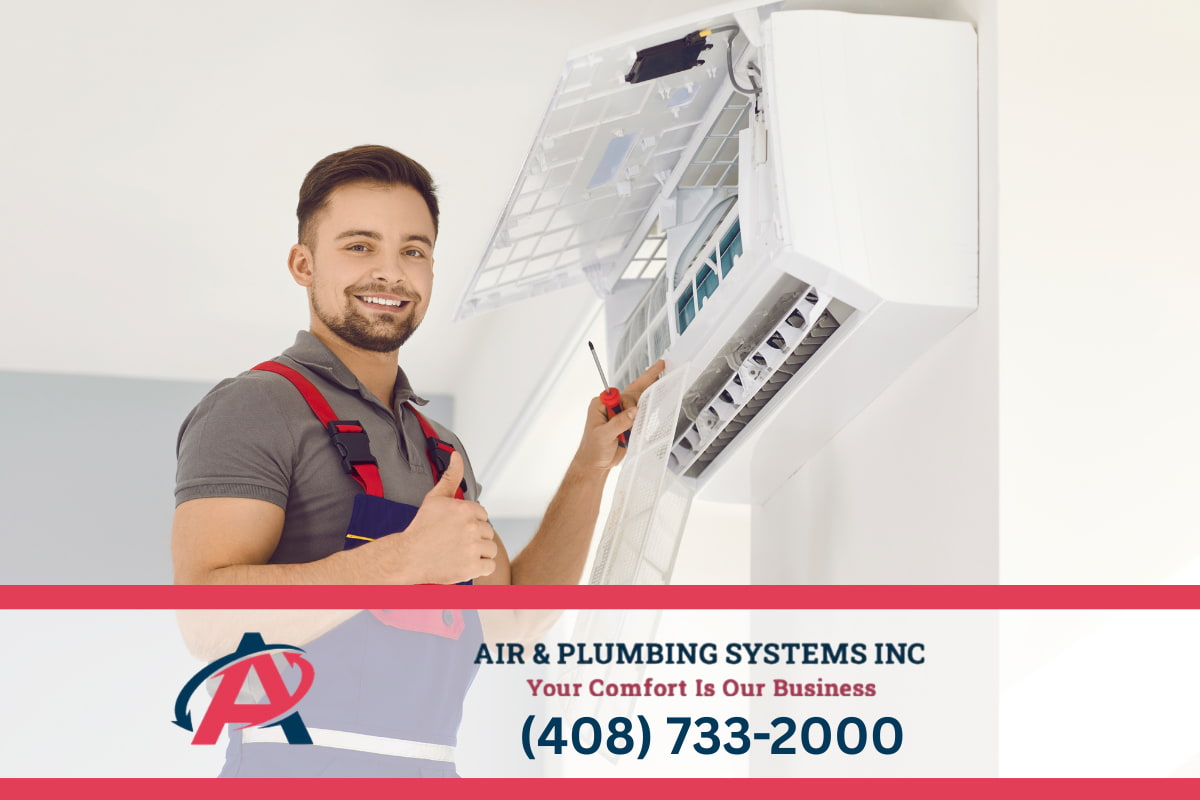
A multi-zone mini-split is a ductless HVAC system that links a single outdoor condenser to two or more indoor air handlers, which are independent of each other. A room can be adjusted to 68°F and another to 74°F – at the same time. These systems are much more energy-efficient than conventional HVAC designs because the inverter-driven compressor varies speed in real time instead of switching on and off.
Why San Jose Homes Need Smarter Cooling Solutions
San Jose receives more than 300 sunny days annually, however, the comfort of the indoors can differ significantly across the house. A west-facing bedroom can be as much as 10°F warmer than a north-facing kitchen by late afternoon, which conventional central HVAC systems have difficulty balancing.
What is the motivation behind the move to more flexible cooling solutions:
- ADU growth. The zoning laws in California that are ADU friendly have resulted in a boom of backyard homes and garage conversions – areas that are not usually linked to existing ductwork.
- Silicon Valley home offices. Temperature is an issue in a place constructed on productivity. A study conducted at Cornell University indicates that productivity declines when the temperature exceeds 77°F, and therefore, accurate climate control is a productivity requirement rather than a comfort option.
- Older housing stock. Such neighborhoods as Willow Glen, Naglee Park, and Japantown have many houses that were constructed before the introduction of central air. Ductwork retrofitting can be intrusive and costly.
- Energy costs & air quality. High-efficiency mini-splits (SEER2 20+) can save 25-50% of HVAC energy consumption with the highest rates in the country, which are offered by PG&E. Meanwhile, the transition to electric systems is consistent with the Bay Area air quality efforts that encourage cleaner energy.
Central HVAC vs. Multi-Zone Mini-Split: San Jose Reality Check
The decision between the conventional central HVAC and the multi-zone mini-split system is based on efficiency, flexibility, and long-term value. The following comparison brings out the major differences to enable you to make an informed choice on your home.
| Feature | Central HVAC | Multi-Zone Mini-Split |
| Energy consumption | High (duct losses ~30%) | Low (direct air delivery) |
| Zone control | One setting for the whole house | Independent per room |
| Installation complexity | Requires opening walls for ductwork | One 3-inch hole per zone |
| Noise level | Noticeable hum through vents (25–35 dB) | Near-silent (19–26 dB) |
| Ideal for ADUs | Impractical | Excellent |
| Rebate eligibility (2025) | Moderate | High |
| Lifespan | 15–20 years | 20–25 years |
In case your home already has ductwork that is in good condition and functional, a central system upgrade can be affordable. Mini-splits are the winners in all other situations, such as ADUs, older houses, home extensions, or actual room-by-room control.
How Much Does a Multi-Zone Mini-Split Cost in San Jose?
Installation per zone is usually between $3,500-$5,500, depending on the specifications of the system and the complexity of the installation.
Estimated total project cost by system size:
- 2 zones: $7,000–$11,000
- 3 zones: $10,000–$15,000
- 4 zones: $13,000–$20,000
- 5–6 zones: $17,000–$28,000+
Premium brands, electrical panel upgrades ($1,500-$3,500), or complicated installations are more expensive. The per-zone cost tends to reduce with an increase in the number of zones, as the cost of the outdoor condenser is shared.
Don’t leave money on the table: The majority of San Jose homeowners overpay by $2,000-$5,000 just because they do not know what rebates they are eligible to receive. The federal IRA Heat Pump Tax Credit is 30% of the installed cost up to $2000 annually. PG&E provides more rebates by level of efficiency. Air & Plumbing Systems will take you through all the available incentives before you put your signature on anything.
Schedule your mini-split consultation
Do You Need a Permit for Mini-Split Installation?
San Jose City has a mechanical permit that is required on all new HVAC installations, including ductless mini-splits. We are licensed contractors who do the work and pull the permit before the commencement of work. The San Jose Building Division manages inspections and permit close-out – the development of a documented record that safeguards you during resale and maintains the insurance of your homeowner. It is never worth taking a chance to skip this step.
San Jose Mini-Split Zone Planning
Not all rooms require their own zones. The master bedroom nearly always deserves special control. Secondary bedrooms may share a zone when they are of similar size. Living and dining rooms usually need bigger 18,000-24,000 BTU units. Garage conversions and ADUs must always have their own independent zone.
A clever long-term solution: place an outdoor condenser with 4-5 zones even when only 2-3 are activating at first. It is much easier to add indoor units later when there is already unused capacity outside.
Myths of Ductless Mini-Splits
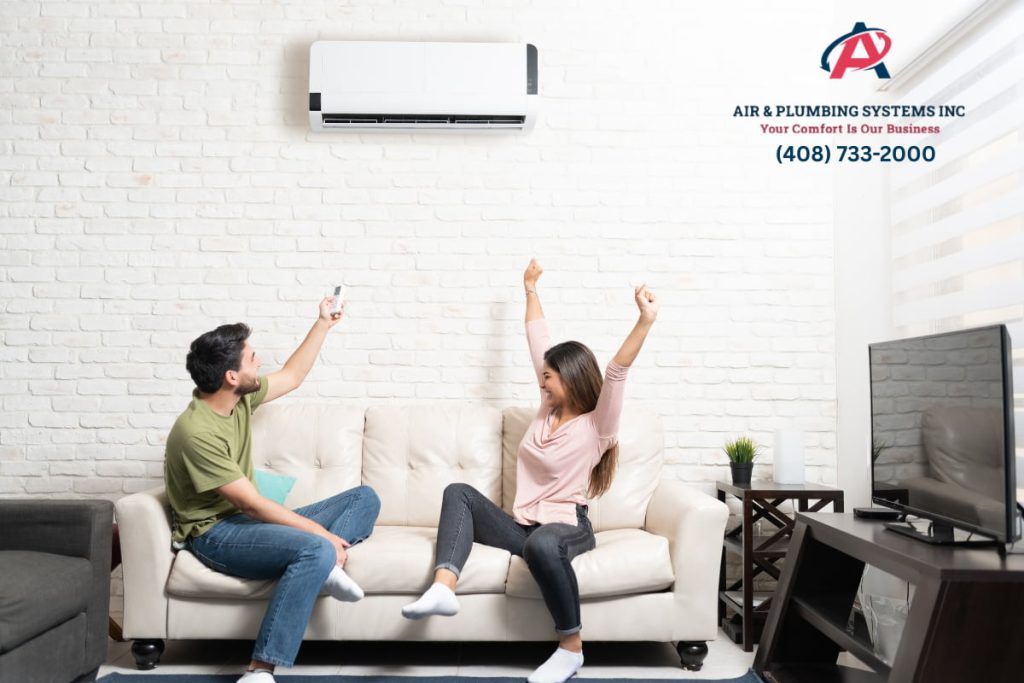
Misconception 1: Mini-splits do not operate in cold weather. This was the case with older mini-split technology, but the current inverter heat pumps, especially the Hyper-Heat models of Mitsubishi and the Aurora models of Daikin, are designed to heat down to -13°F (-25°C). The temperatures in San Jose are seldom below 35°F, so cold-weather performance is not a concern in this area.
Misconception 2: The indoor units are not attractive and are bulky. The modern mini-split air handlers are much more sophisticated. Wall-mounted units are thin (usually 7-9 inches deep), and ceiling cassette models are built into the ceiling, visible only as a small grille. A number of brands currently provide designer units with custom panel finishes.
Misconception #3: You can install a mini-split yourself and save money. There are DIY mini-split kits, although in California, HVAC installation must be done by a licensed contractor. More to the point, refrigerant handling must be certified by EPA Section 608. A DIY installation that is not authorized also nullifies manufacturer warranties and generates recorded liability at home resale.
Misconception #4: Every mini-split installer is the same. The quality of equipment is important, but the quality of installation is more important. When contractors are not HVAC specialists, improper refrigerant charging, improper vacuum procedures, and improper lineset installation are common. When you work with Air & Plumbing Systems, you can be confident that every installation is performed by experienced, licensed technicians who follow all best practices and regulations.
Get your free mini-split assessment
FAQs
Do I need a permit to install a mini-split in San Jose?
Yes. San Jose requires a mechanical permit for all HVAC installations, including mini-splits. Permitted work protects your investment. Air & Plumbing Systems handles all permits and inspections for Bay Area homes.
How many zones can one outdoor mini-split unit support in San Jose?
Residential multi-zone condensers support 2–8 indoor units. Common setups in San Jose are 3–4 zones, with capacity for future expansion.
Can a mini-split heat and cool a detached ADU?
Yes. Mini-splits are perfect for ADUs, garages, and backyard cottages, offering independent climate control without touching the main home’s system.
How noisy are mini-split systems?
Indoor units run at 19–26 dB (whisper quiet). Outdoor units are 45–55 dB, similar to conversation. Proper placement reduces noise impact in your home and neighborhood.
How long does installation take?
A 2–3 zone system installs in 1 day; 4–6 zones take 1.5–2 days. Air & Plumbing Systems handles permits and city inspections.
Are mini-splits worth it in San Jose?
Yes. Despite mild winters, summer heat, high-energy costs, and growing ADUs, multi-zone mini-splits are a smart investment. Rebates make them more affordable.
Single-zone vs. multi-zone mini-splits?
Single-zone: one indoor unit, one room.
Multi-zone: multiple indoor units, independent control. More cost-efficient for homes with multiple spaces.
Can I add zones to an existing system?
Depends on your outdoor unit’s capacity. If space allows, adding zones is straightforward; otherwise, a new condenser is needed. Air & Plumbing Systems can assess and guide your expansion options.
Phone: (408) 733-2000
Email: info@airandplumbing.com
Ready to upgrade your home’s comfort? Contact Air & Plumbing Systems, the Bay Area’s trusted HVAC experts, for a free consultation and personalized mini-split assessment!
What Our Clients Are Saying